Panel discussion: ethics of animal research

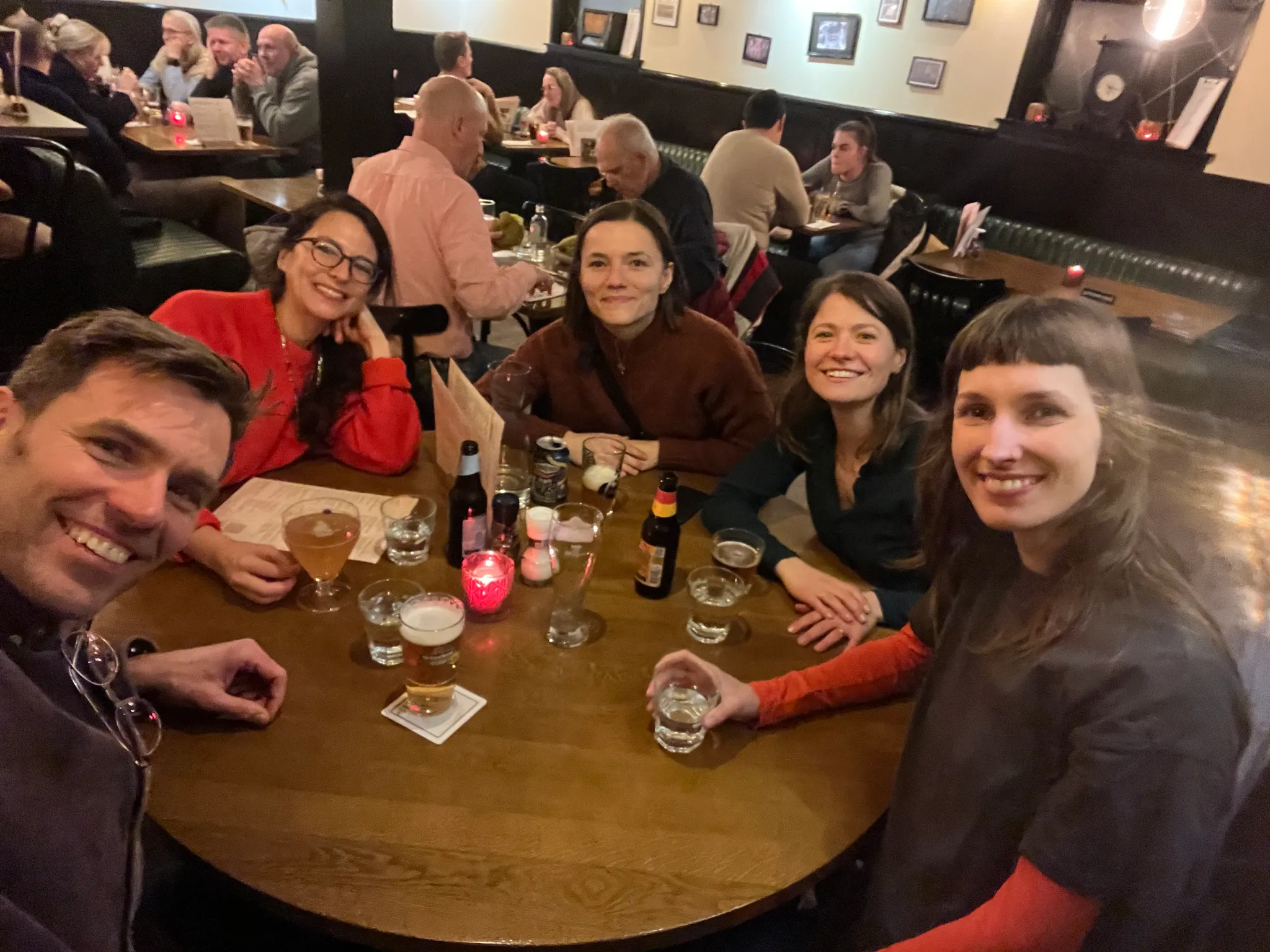
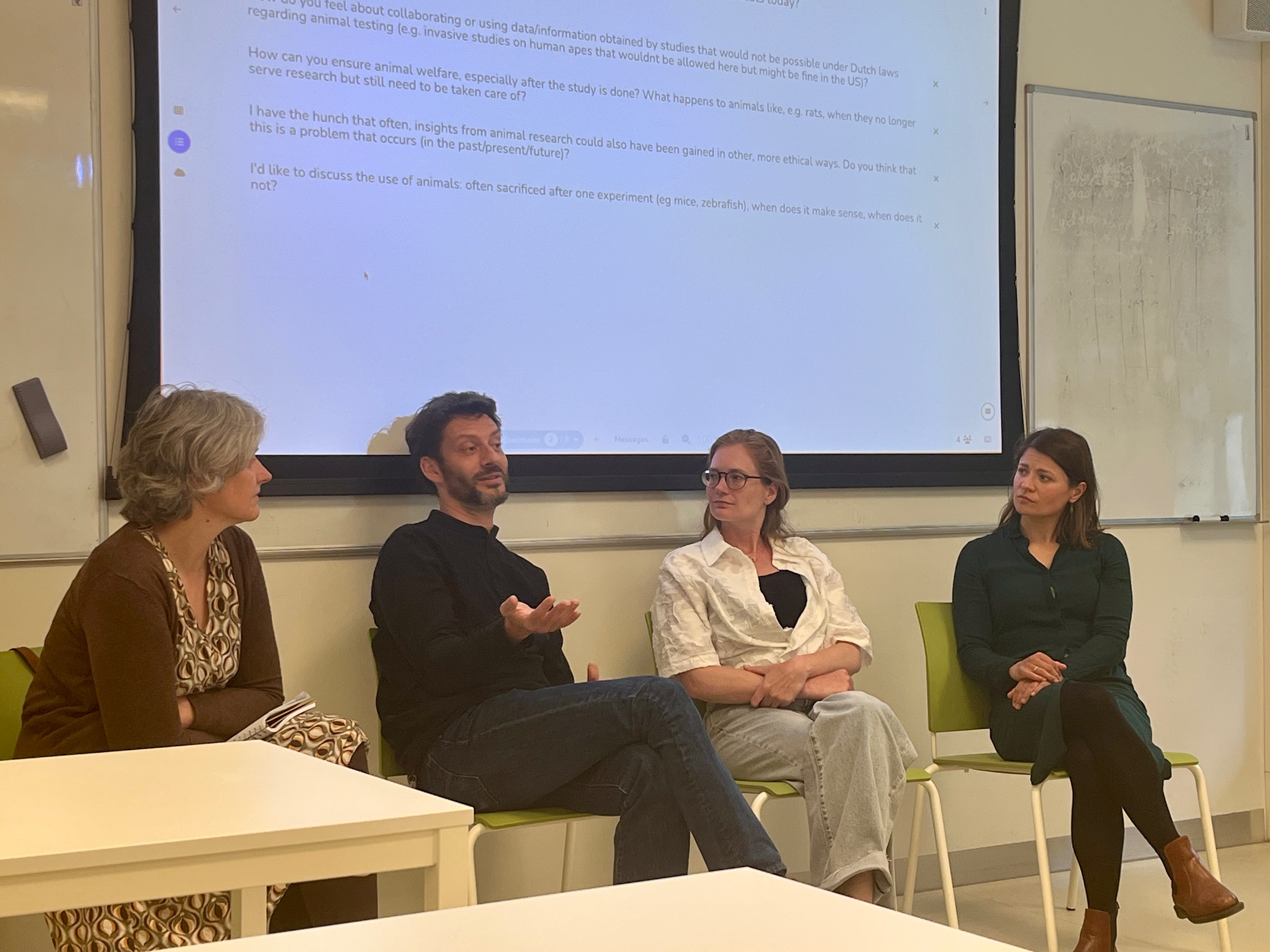
With panelists Karline Janmaat, Christian Tudorache, Michelle Spierings and Anne Urai, and with Tonko Zijlstra as a moderator, we had an interesting and stimulating discussion about the ethics of animal research. With expertise from ethology to behavioral biology and neuroscience, the discussion touched on issues of research culture, institutional and legal frameworks for animal studies, the broader use of animals in society and the 3 Rs in animal research.

Continue reading “Panel discussion: ethics of animal research”

Scientists for social good: 2025 satellite event

We live in times when public trust in science is under threat, misinformation is rife, AI ethics are of increasing concern and climate change is increasingly affecting communities worldwide. How do scientists see ourselves and our role in this world, and can we use our skills for social good? This session will explore ways to to extend the impact of our scientific work beyond our laboratories and models, and will critically evaluate how to fulfil our responsibility as scientists during times of significant social and technological change. Join us for a satellite event at CCN 2025 in Amsterdam.

Continue reading “Scientists for social good: 2025 satellite event”

Erasmus+ Grant for Philippa to visit KU Leuven

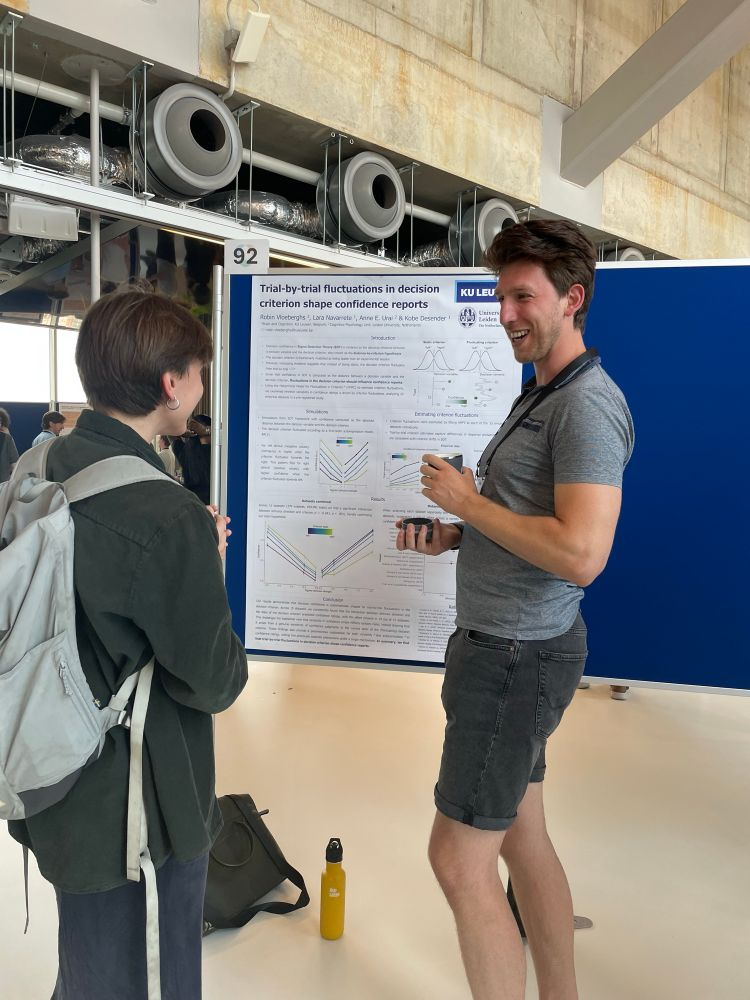
Philippa has been awarded an Erasmus+ travel grant to visit KU Leuven for two weeks in May. She will work in the Desender Lab with Kobe Desender and Robin Vloeberghs to apply the Hierarchical Model for Fluctuations in Criterion. She will use the model to find out how decision-making biases change over the lifespan, and how criterion fluctuations relate to changes in pupil-linked arousal.

From: Vloebergs R, Urai AE, Desender K, Linderman S (2024) A Bayesian Hierarchical Model of Trial-to-Trial Fluctuations in Decision Criterion. bioRxiv, 605869

Activism and Science: eLife interview

Two years after our article ‘Doughnut Academia’, Anne and Clare have posted a new preprint to reflect on where these ideas have brought them – and providing guidelines for others to host their own workshops. See the preprint here https://osf.io/preprints/osf/um47d_v1, and a follow-up interview with eLife here: https://elifesciences.org/interviews/1a08d974/anne-urai-and-clare-kelly

Of mice and (wo)men – or: how I learned to read spikes

By Sonja Förster

Image by Robin Haak, Netherlands Institute for Neuroscience (NiN), Amsterdam, NL; 2023

What are ephys alignments – and why would you do them?

Ephys alignments, or histology – electrophysiology alignments in full, intend to align electrophysiology features of a neural recording to an anatomical histology reference (here, the Allen adult mouse brain atlas) to allow for reasonable alignment of the recording channels along the probe trajectory. This is important since mouse brains might be smaller or larger, or slightly differ in some structural landmarks. And it may be especially relevant for recordings from a Neuropixels probe (or other probes that record across multiple brain regions). Those ephys alignments are therefore a crucial prerequisite to ensure that subsequent analyses compare apples to apples, or, let’s say, spike count variability in a given region of one mouse to the spike count variability in exactly that same region in another mouse.

Continue reading “Of mice and (wo)men – or: how I learned to read spikes”